







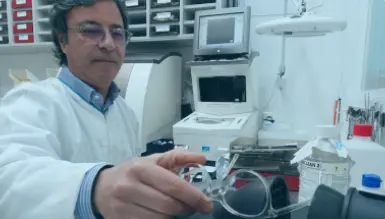




Maintaining healthy vision is essential for a good quality of life, and prevention plays a key role in this process. Vision is one of our most important senses, providing around 80% of the information we receive. Its loss or deterioration can significantly impact on daily well-being. Therefore, it is crucial to take preventive measures to protect the eyes and ensure healthy vision throughout life.
Prevention begins with understanding the factors that can affect eye health. Conditions such as diabetic retinopathy, cataracts, glaucoma and age-related macular degeneration (AMD) are some of the conditions that can compromise vision. According to the World Health Organisation (WHO), millions of people worldwide suffer from preventable visual impairment. Access to regular eye care can prevent or delay the progression of these conditions and, consequently, maintain physical, social and emotional well-being.
Regular Optometry or Ophthalmology Appointments
One of the most effective ways to prevent vision problems is to see an optometrist or ophthalmologist regularly. Eye care professionals, ophthalmologists and optometrists recommend that adults have an eye exam every two years, or annually for those aged 65 and over. These examinations consist of a series of tests that help detect any changes in vision or signs of eye disease at an early stage, allowing for timely, more effective and less invasive treatment.
Protection Against UV Rays
Prolonged exposure to ultraviolet (UV) rays can damage the eyes and increase the risk of developing cataracts and other eye problems. Wearing sunglasses that block 100% of UV rays is a simple and effective preventive measure. In addition, wide-brimmed hats can also offer additional protection against solar radiation, although this radiation reflects off surfaces and hits the eyes from any direction.
Healthy Eating Habits
Diet also plays an important role in eye health. Nutrients such as vitamins A, C and E, zinc and omega-3 fatty acids are essential for maintaining healthy vision. Foods rich in antioxidants, such as fruit and green leafy vegetables, can help to protect the eyes from damage caused by free radicals. A balanced diet can reduce the risk of macular degeneration and other eye diseases.
Avoid Eye Strain
Prolonged use of digital devices can cause eye fatigue, known as computer vision syndrome. Symptoms include dry eyes, blurred vision, and headaches. To prevent these, follow the 20-20-20 rule: every 20 minutes, look at something 20 feet (about 6 metres) away for 20 seconds. Keeping the top of your monitor at eye level and adjusting the ambient lighting can also help.
Do not smoke
Smoking is a significant risk factor for several eye conditions, including macular degeneration and cataracts. Quitting smoking improves overall health and reduces the risk of developing conditions that can lead to vision loss.
Eye hygiene
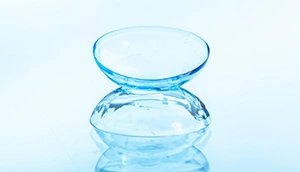
Maintaining good eye hygiene is essential, especially for contact lens wearers. Washing your hands before handling lenses, replacing lenses as recommended, and using the correct cleaning solutions are practices that prevent eye infections.
Conclusion
Prevention is the key to healthy vision. Simple measures such as adopting healthy lifestyle habits, getting regular eye exams, and protecting your eyes from risk factors can have a significant impact on long-term eye health. Investing in prevention means investing in quality of life, ensuring that vision remains clear and functional for years to come.